What Is the Book of Life?
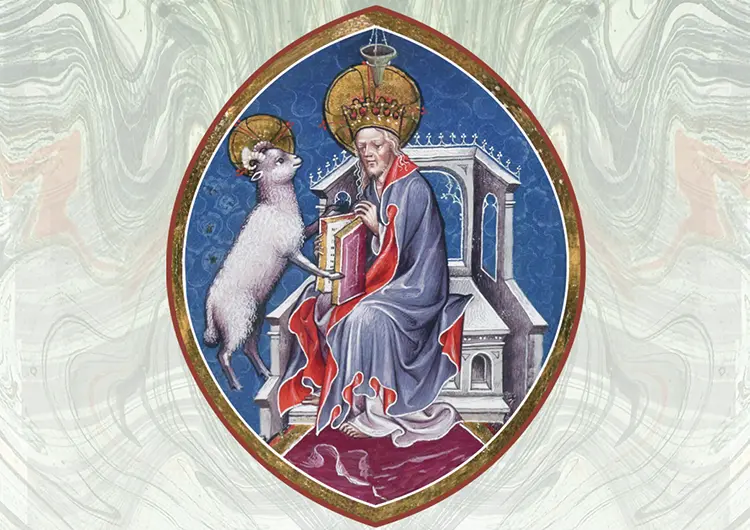
The Book of Life is not a physical volume but a divine metaphor expressing God’s eternal knowledge of those predestined to salvation.
Is a Mass Still Valid If the Priest Is in Sin? A Clear Catholic Explanation
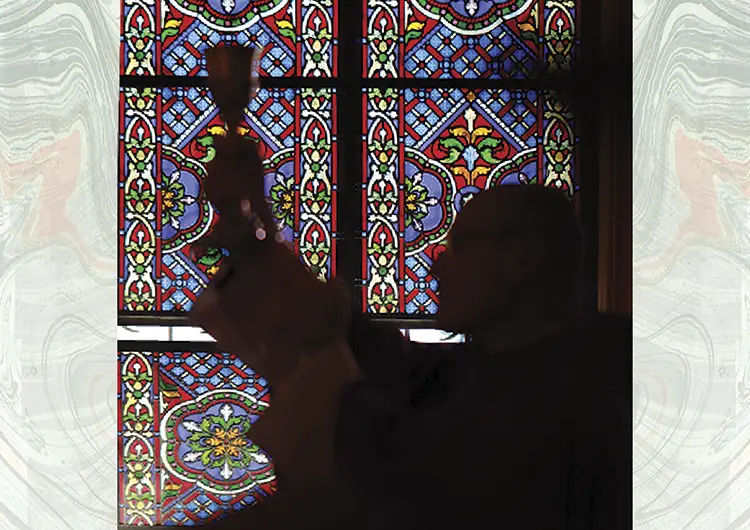
Yes—because the priest offers the same sacrifice of Christ in persona Christi, a Mass celebrated by a sinful priest retains its intrinsic value; however, the intercessory fruits of his prayers are greater when the celebrant is more fervent.
Papal General Audience- January 21, 2026
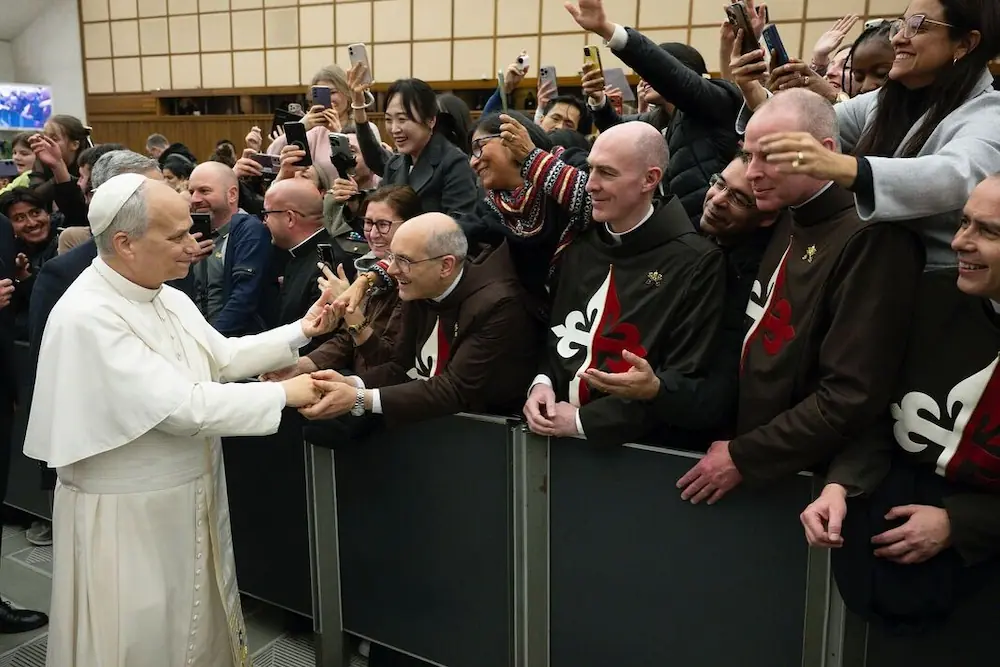
The Heralds of the Gospel participated in Pope Leo XIV’s general audience with immense joy as the Pope greeted the priests and religious sisters.
Why Even Demons Can’t Be Atheists: A Thomistic Insight
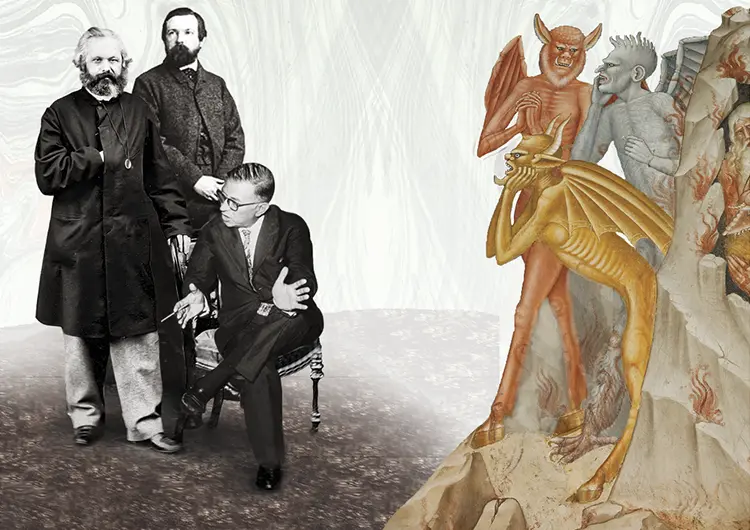
St. Thomas Aquinas teaches that unbelief is a deeper folly than demonic malice, for even demons—though obstinate—cannot deny divine truths, whereas the unbeliever rejects what reason itself confirms.
Why Are Liturgical Vestments Used?
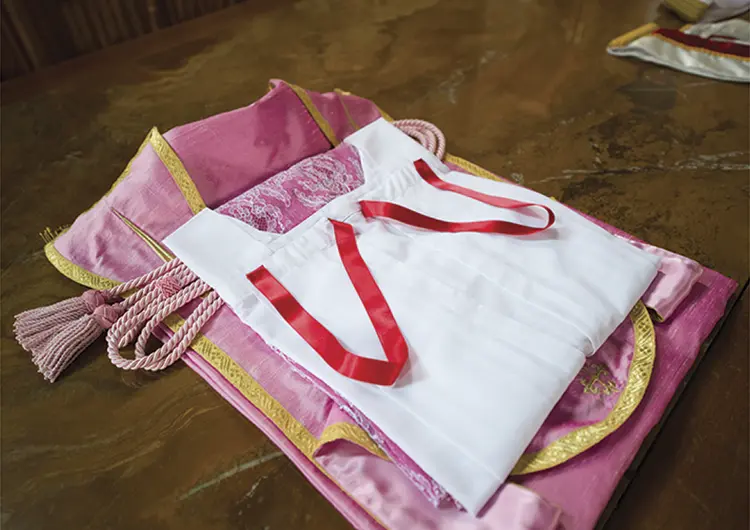
The Church uses liturgical vestments to instruct and sanctify ministers through visible symbols—forming them in purity, fortitude, charity, and service—so they worthily celebrate the divine mysteries.
Intercession of the Saints – Heavenly Help for Catholics
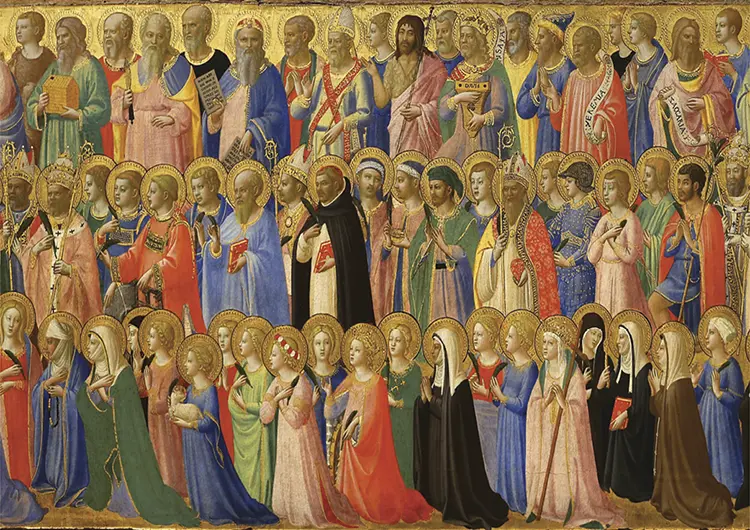
According to St. Thomas Aquinas, the saints in Heaven truly intercede for us, and the greater their charity, the more fervently they pray for those still on earth.
Why Read the Bible?
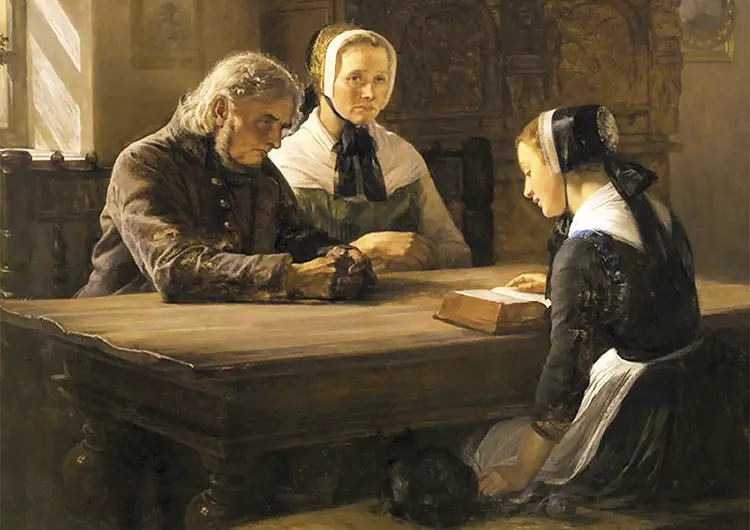
According to St. Thomas Aquinas, we must read the Bible because it uniquely instructs us in divine truth, moves us to virtuous action, and delights us with its spiritual profit, acting as God’s map that guides the soul toward eternal life.
Can I Ask God to Remove my Suffering?
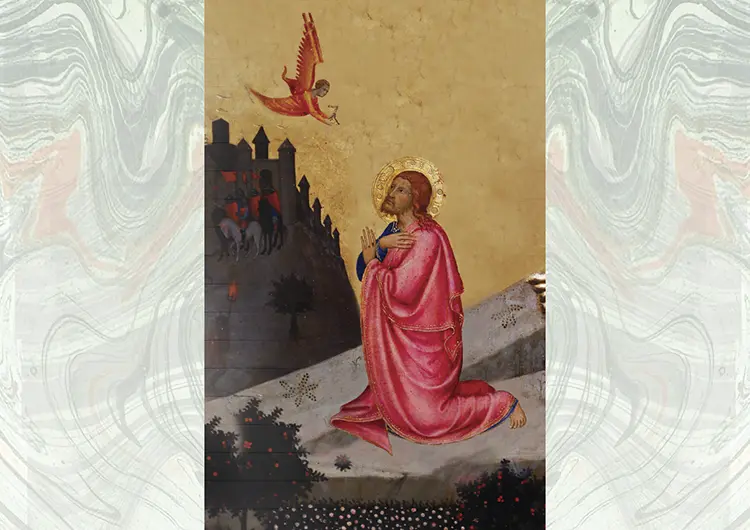
According to St. Thomas Aquinas and Christ’s own example, it is lawful to ask God to remove suffering, provided we do so with filial trust and full submission to His will.
Honoring Parents: a Sacred Duty
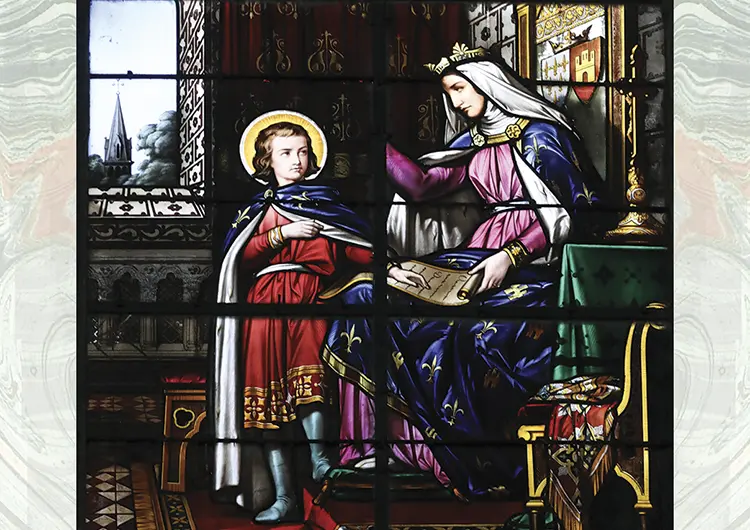
According to St. Thomas Aquinas, honoring parents is a matter of piety—a virtue flowing from justice—by which children repay the debt of existence, sustenance, and instruction, while never obeying commands contrary to God.
Called to Judge with Christ
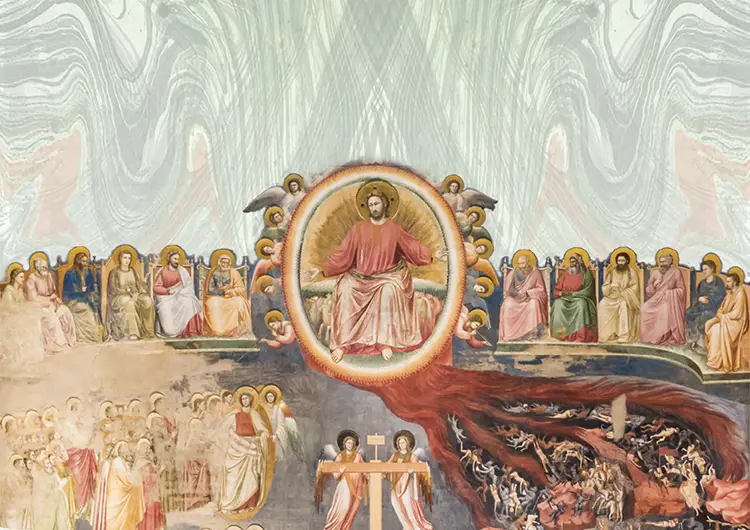
According to St. Thomas Aquinas, the elect will judge with Christ not by usurping divine authority, but by consent, equivalence, and participation in His judicial dignity at the Last Judgement.